How to Introduce a New Cat to Your Current Cat
Cats are territorial in a very literal sense: they map their home by scent and routine. A good introduction changes that map gradually rather than all at once, and rushing the process is the single most common reason introductions go badly.
Stage One: Separate but Aware
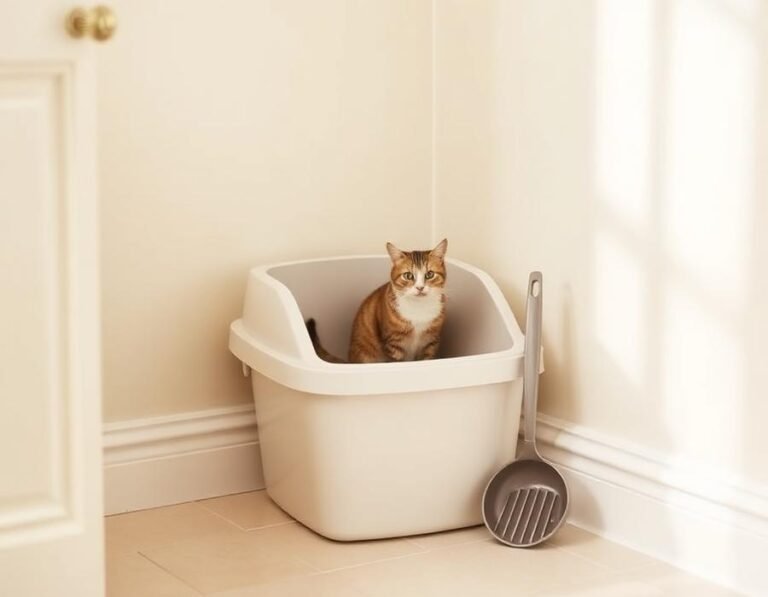
The new cat lives in their own room with everything they need: litter box, food, water, bed and a hiding spot. The two cats hear and smell each other without meeting, which is normal and useful rather than something to rush past.
Stage Two: Scent Swapping
- Swap bedding between the two spaces daily
- Rotate which cat has access to the main living area
- Feed both cats on either side of the closed door
Stage Three: Supervised Meetings
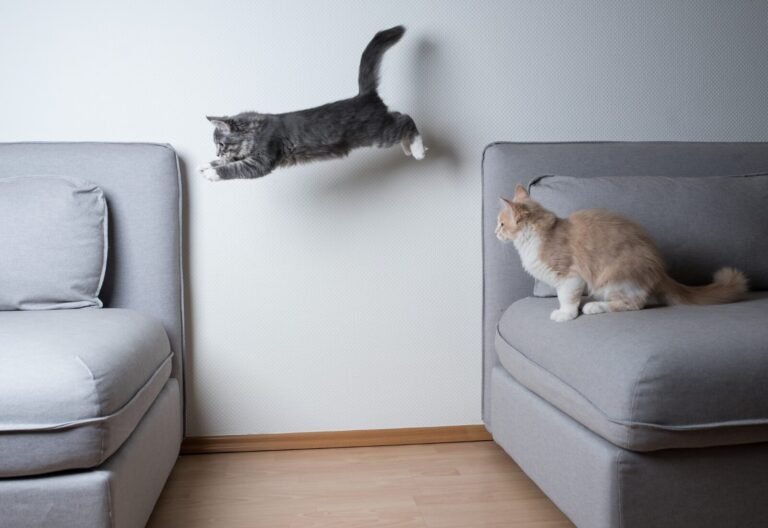
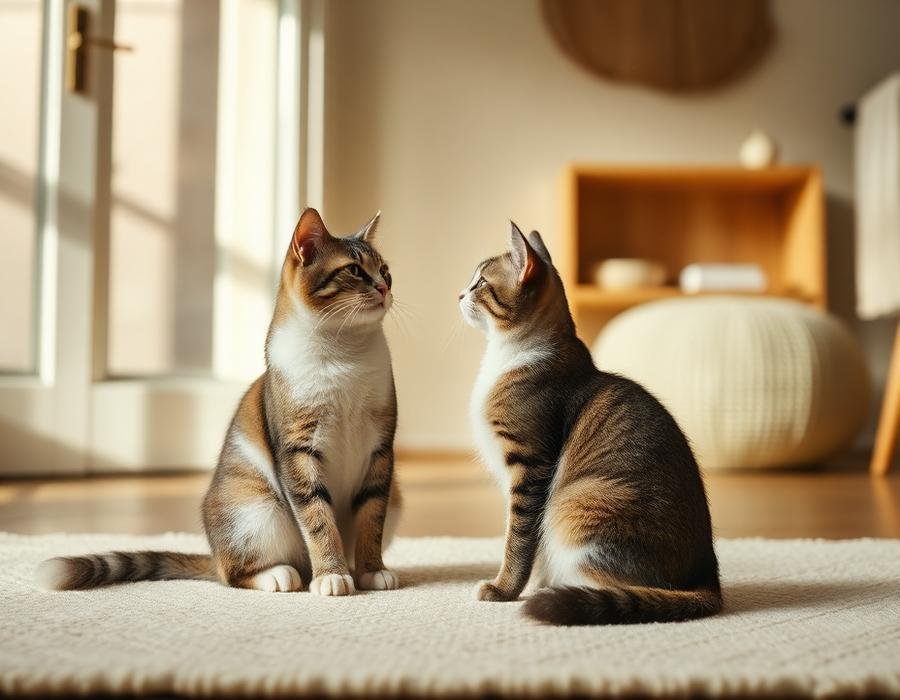
Short, calm, positive and ended before anyone tires of it. A baby gate or a door left slightly ajar gives both cats an exit, which is what keeps things calm. Treats or a shared meal at a comfortable distance can help both cats associate the other’s presence with something good.
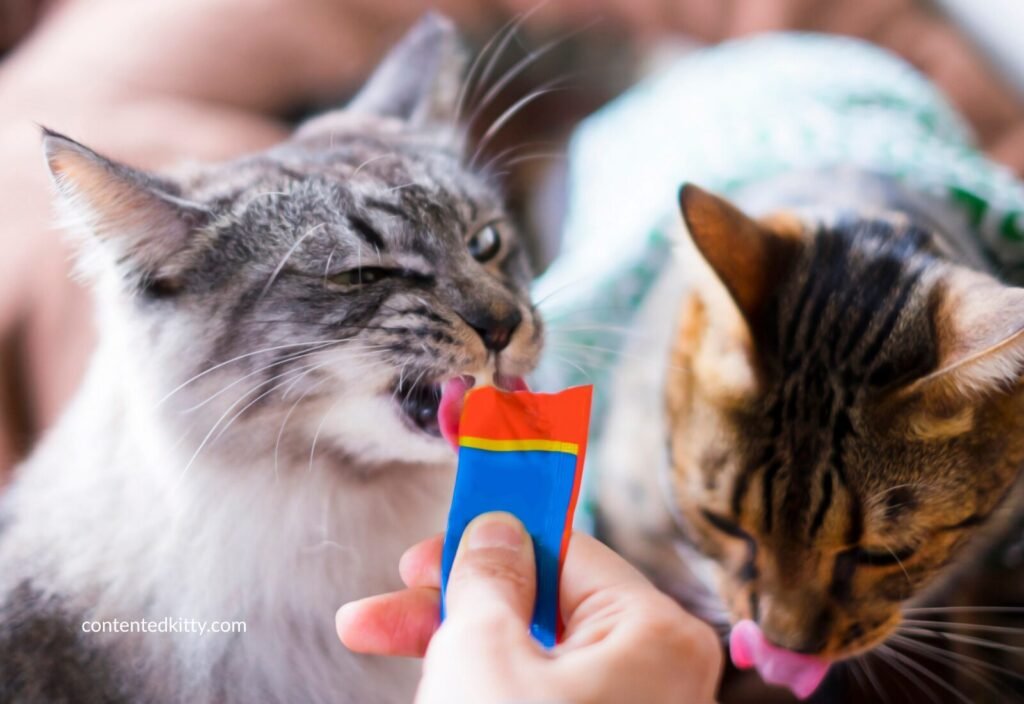
Resources prevent arguments
Duplicate the things cats compete over: litter boxes, water, feeding stations, high perches and hiding places. Most household conflict is a resource problem wearing a personality costume.
Frequently Asked Questions
How long should introductions take?
Anywhere from two weeks to a couple of months, depending on both cats’ personalities. Slower is almost always safer than faster.
What if the cats hiss at each other?
Hissing during early stages is normal communication, not necessarily failure. Repeated, escalating aggression or one cat refusing to eat, however, is a sign to slow down and go back a stage.
Do resident cats and new cats ever become close?
Many do, though the timeline varies widely. Some cats become genuine companions; others settle into peaceful, respectful distance, which is also a successful outcome.
Sources and references
- Add a feline behaviour reference here (placeholder)
Contented Kitty may earn a commission from qualifying purchases at no additional cost to you. Contented Kitty provides general educational information only. It does not diagnose conditions and is not a substitute for care from a licensed veterinarian. Always speak to your own vet about your cat.