Why Do Cats Do Parkour at 3am?
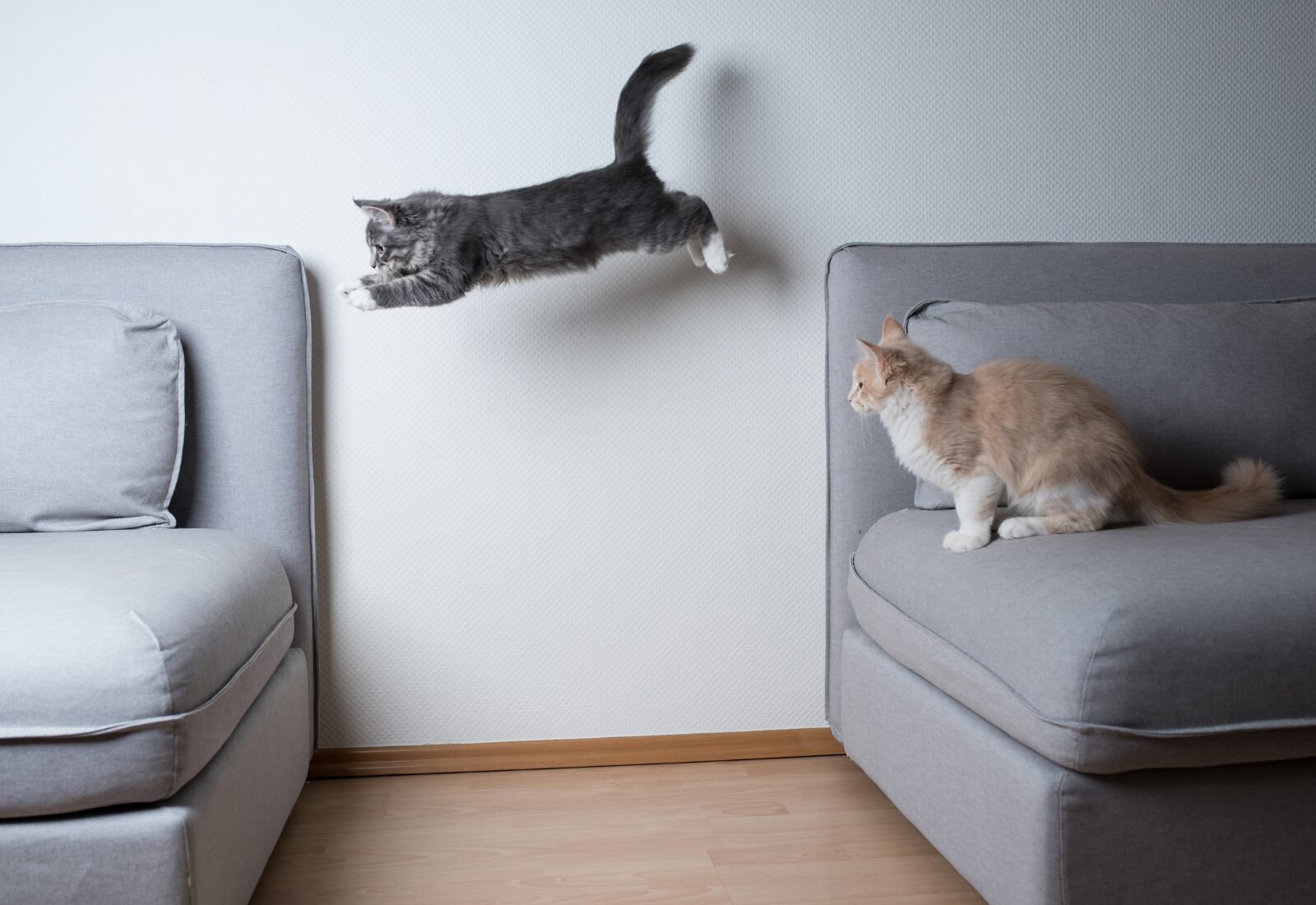
One minute the house is quiet. The next, your cat is airborne, sprinting sideways down the hallway, and somehow using the couch as a launch pad. If this happens most nights around 3am, you are not imagining it, and your cat is not broken. This is normal cat behavior with a real biological explanation.
Cats Are Crepuscular, Not Nocturnal
Cats are not truly nocturnal. They are crepuscular, meaning they are naturally most active at dawn and dusk, the hours when their wild ancestors’ prey was also most active. A 3am sprint is often just your cat’s internal clock ramping up ahead of that early dawn activity window, especially in summer when sunrise comes earlier.
Where the Energy Comes From
- Unspent hunting drive. Indoor cats rarely get a real hunt, and that energy has to go somewhere.
- Daytime napping. A cat who sleeps most of the day is naturally going to be more alert at night.
- Boredom. A understimulated cat saves up energy and releases all of it at once, usually while you are asleep.
- Habit. If 3am zoomies get a reaction from you, even an annoyed one, that attention can accidentally reinforce the pattern.
It has a name
Many cat owners call this the “witching hour.” It is common enough to have its own nickname, which is a good sign that your cat is being a normal cat, not a difficult one.
How to Shift the Schedule
- Play hard before bed. A 10 to 15 minute wand toy session an hour or two before you sleep uses up hunting energy on your schedule instead of your cat’s.
- Follow play with food. A small meal after play mimics the natural hunt, eat, groom, sleep cycle and encourages an actual wind-down.
- Add daytime enrichment. Puzzle feeders, window perches, and short play sessions during the day reduce the energy backlog that builds up by night.
- Do not engage at 3am. Getting up, feeding, or playing in response to nighttime activity teaches your cat that 3am works. A boring, consistent non-reaction fades the pattern faster than any correction would.
When It’s Worth a Vet Visit
Occasional nighttime zoomies are normal. A sudden new pattern in an older cat, especially alongside increased vocalizing, appetite changes, or weight loss, is worth mentioning to your veterinarian, since it can occasionally point to a medical cause rather than simple boredom.
Frequently Asked Questions
Is it normal for cats to get the zoomies every night?
Yes, for most cats this is completely normal, particularly in cats under a few years old with plenty of energy and limited daytime outlets for it.
Will kittens grow out of nighttime zoomies?
Many cats do settle somewhat with age, but the underlying crepuscular rhythm never fully disappears. Consistent evening play tends to help more than waiting it out.
Should I just close the bedroom door?
It can help in the short term, but pairing it with more daytime and pre-bed enrichment addresses the actual cause rather than just the symptom.
Why does my cat only do this in one specific hallway or room?
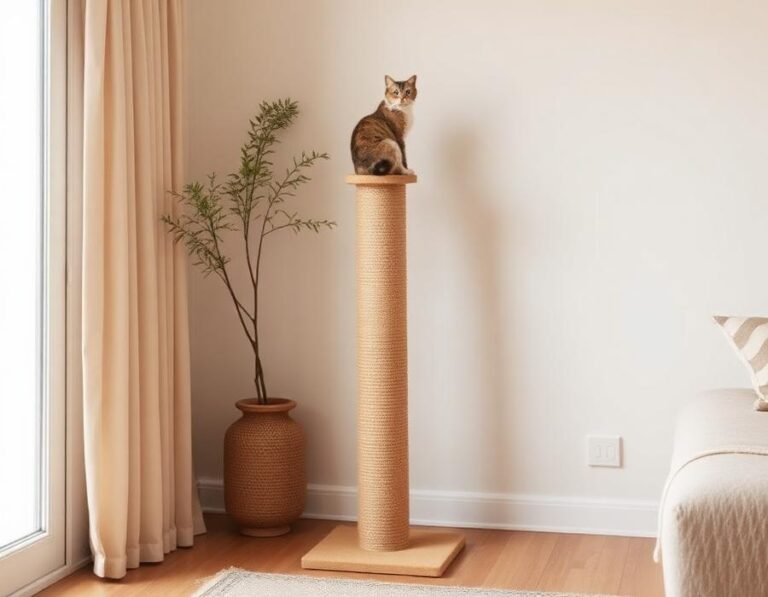
Long, open runs are simply more fun to sprint through. This is a preference, not a problem, and it is a good clue for where to put a scratching post or cat tree along the route.
Sources and references
- Add a feline behaviour reference here (placeholder)
Contented Kitty may earn a commission from qualifying purchases at no additional cost to you. Contented Kitty provides general educational information only. It does not diagnose conditions and is not a substitute for care from a licensed veterinarian. Always speak to your own vet about your cat.