Catios: Commercial Kits vs. Home-Built Enclosures
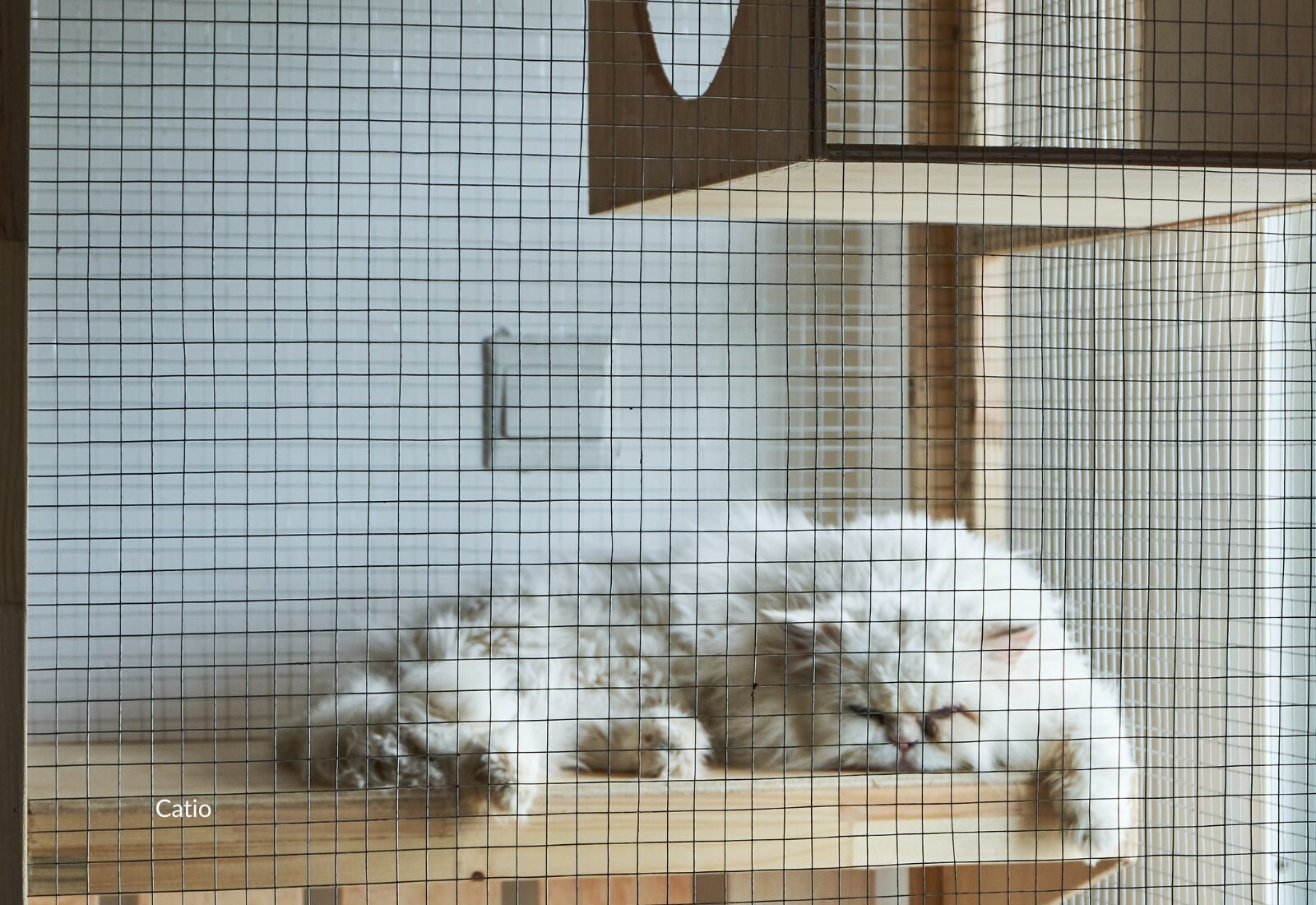
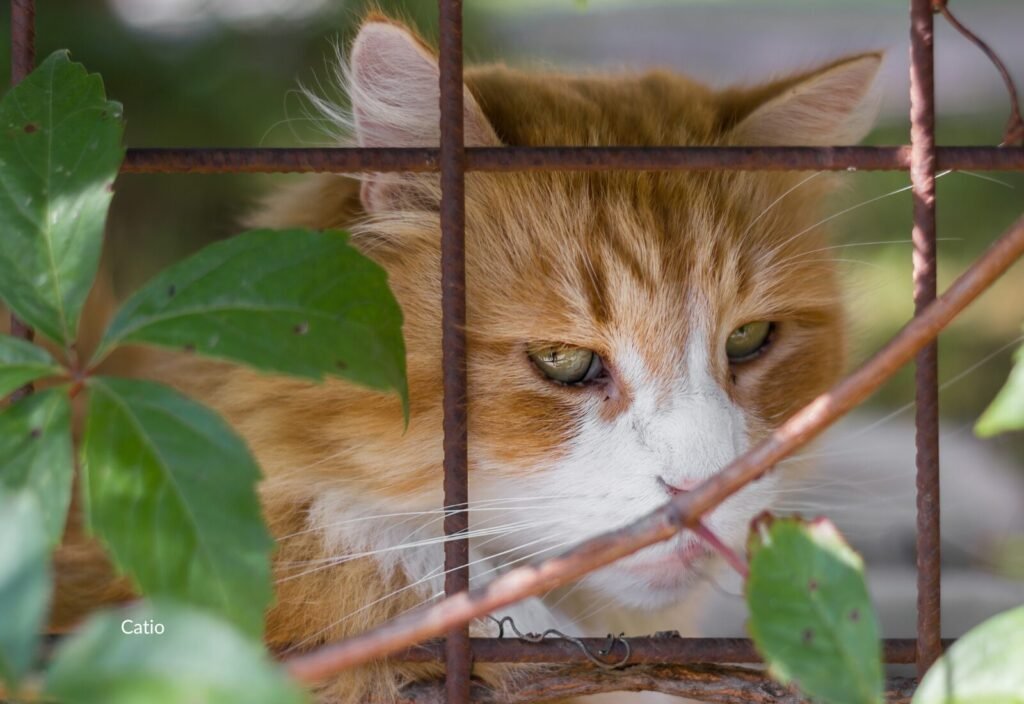
A catio (cat patio) gives an indoor cat safe, supervised access to the outdoors: fresh air, sunlight, and something to watch, without the risks of roaming free. It also protects local birds and wildlife from an outdoor hunter. Whether you buy a kit or build one yourself usually comes down to your space, your budget, and how handy you are with tools.
What to Consider Before You Start
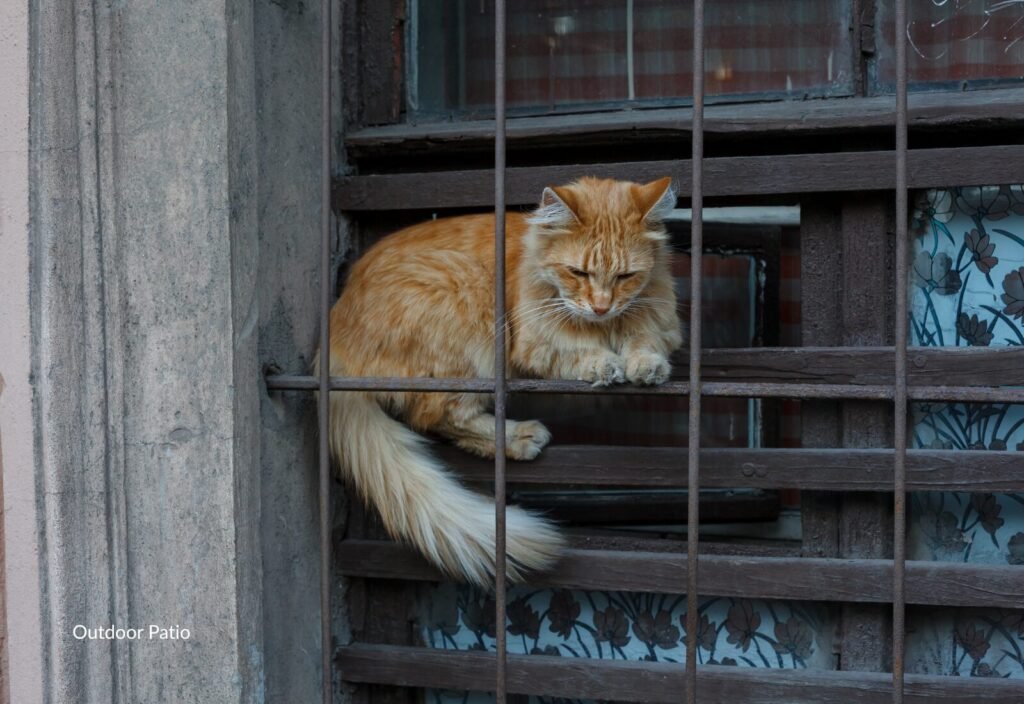
- Attachment point: a window-mounted box is the simplest option; a freestanding or ground-level run needs more planning and space.
- Predator-proofing: hardware cloth or welded wire (not standard chicken wire) keeps raccoons, dogs, and birds of prey out.
- Weatherproofing: a roof, shade, and a way to close it off in bad weather matter more than most first-time builders expect.
- Local rules: check HOA guidelines or local permitting before building anything permanent or highly visible.
- Supervision needs: a small window box may be fine unsupervised; a larger walk-in run near ground level usually is not.
Commercial Catio Kits
Contented Kitty may earn a commission from qualifying purchases at no additional cost to you.
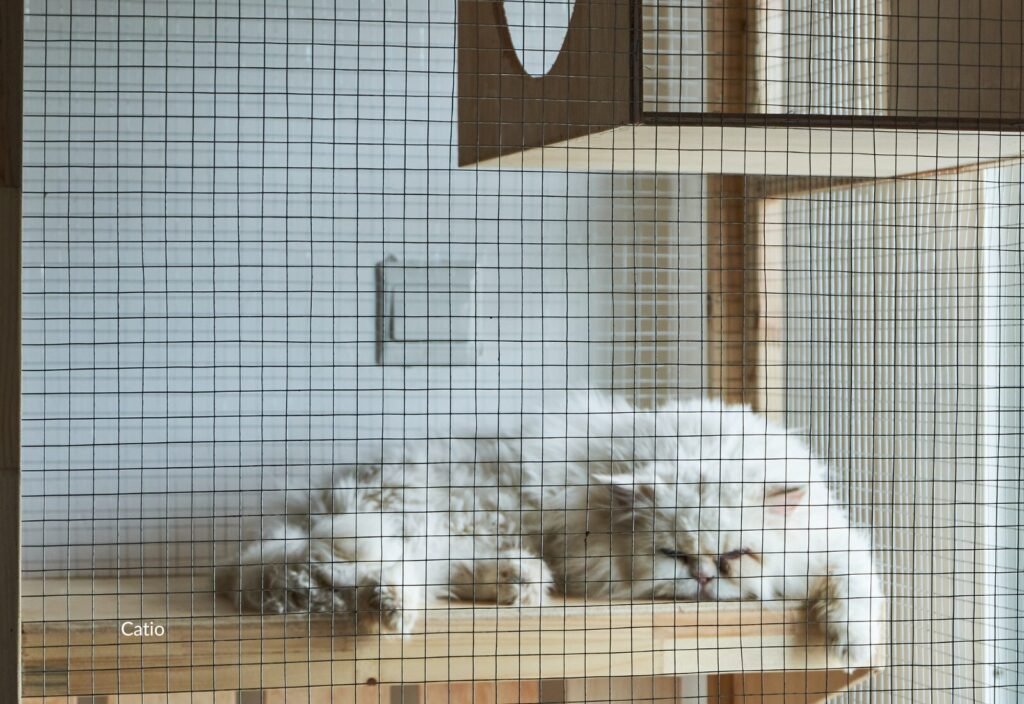
Window-Mounted Box Kits
A window-mounted box is the simplest way to buy your way into a catio. It attaches directly to a window opening, needs no permanent building modification, and can usually go up in an afternoon.
Advantages
- No permanent modification to the building
- Quick to install
- Works well for apartments and rentals
Disadvantages
- Limited space compared to a walk-in run
- Only works on windows with the right dimensions and access
This is the right starting point for renters or anyone who wants outdoor access without construction. It works less well if multiple cats all want outdoor time at once, since space is inherently limited.
Freestanding Walk-In Kits
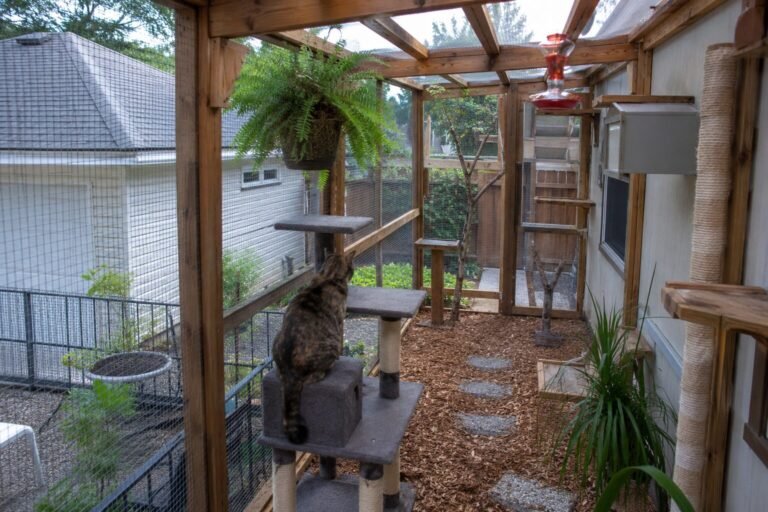
A freestanding walk-in kit is the larger commitment: real square footage, a real budget, and usually enough room for shelves, ramps, and more than one cat at a time. It does not depend on a specific window, which gives more flexibility in where it goes.
Advantages
- Enough room for multiple cats
- Can include shelves, ramps, and real climbing structure
- Does not depend on a specific window
Disadvantages
- Significant cost and space commitment
- May need a permit depending on size and location
This is the option for homeowners with yard space and multiple cats who want real outdoor time. Renters or anyone without space to dedicate to a permanent structure are better served by the window-mounted option above.
Building Your Own Catio
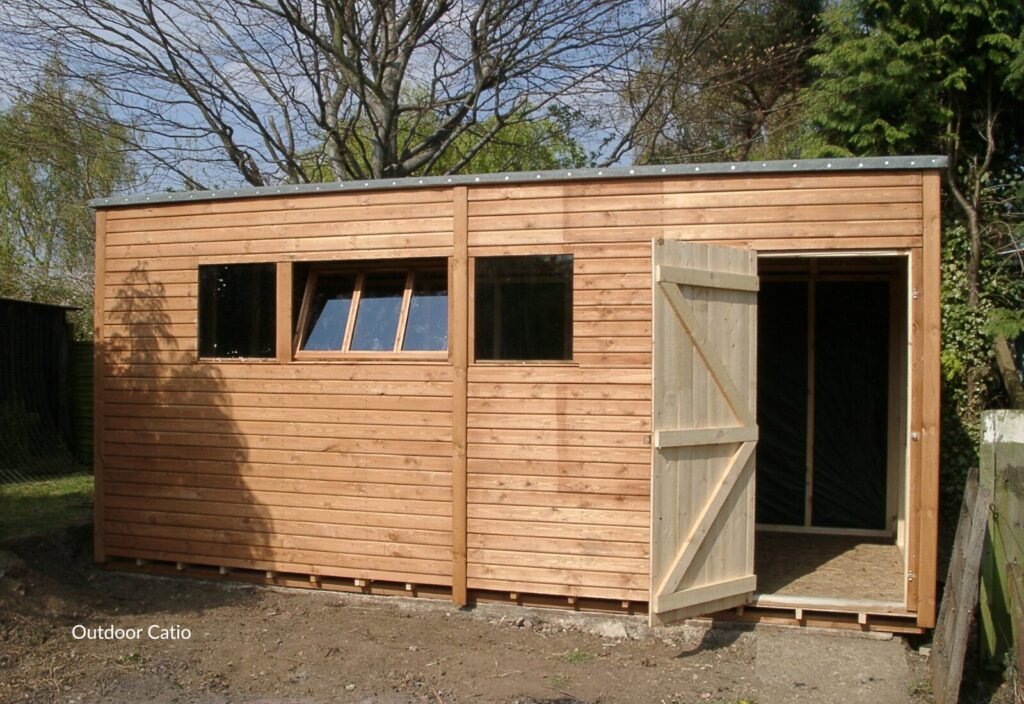
A home-built catio costs more time than a kit but usually less money, and it can be sized exactly to your space. Most home builds use a simple wood frame with hardware cloth or welded wire panels, a solid or shade-cloth roof, and a secure door or airlock-style entry so cats cannot slip past you. Some owners go further and convert an entire shed or outbuilding into a full-sized catio.
- Frame: pressure-treated wood or galvanized steel holds up best outdoors.
- Mesh: half-inch hardware cloth is a common, cat-safe, predator-resistant choice; avoid flimsy chicken wire.
- Access: a cat door, window adapter, or short tunnel connecting to the house makes daily use realistic rather than a chore.
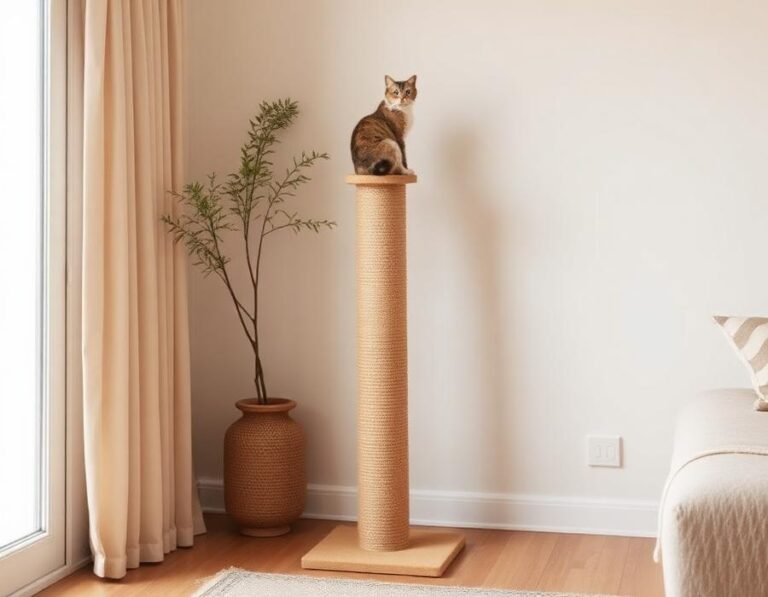
- Enrichment: shelves, ramps, and a scratching surface make the space worth using, not just a box to sit in.
Start smaller than you think you need
A modest catio that actually gets built and used beats an ambitious one that stalls halfway through. Many owners add a second section later once the first is working well.
Want the full plan? See our complete walk-in catio build plan, including a shopping list, build sequence, and a free downloadable PDF.
Litter Boxes for Catios
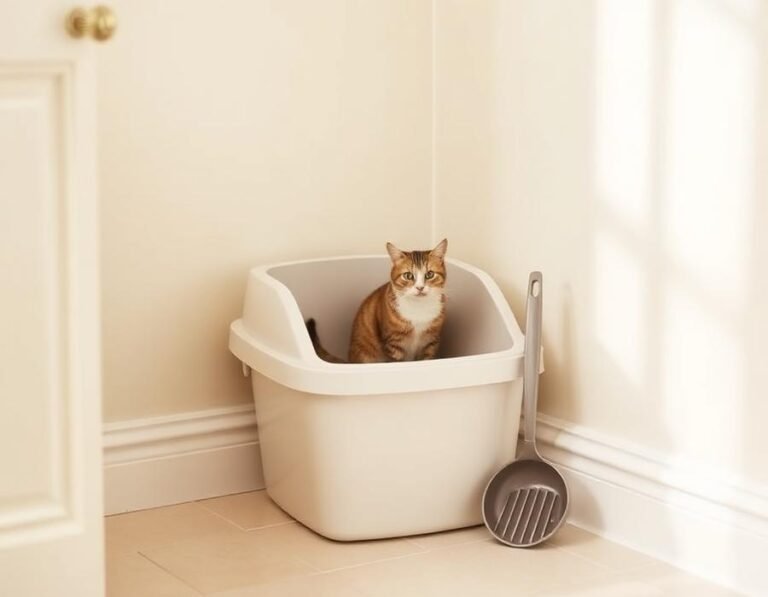
A catio needs its own litter box rather than relying on cats to walk back inside every time. We use a hidden, planter-style box outdoors in ours, and it has held up well to being outside.
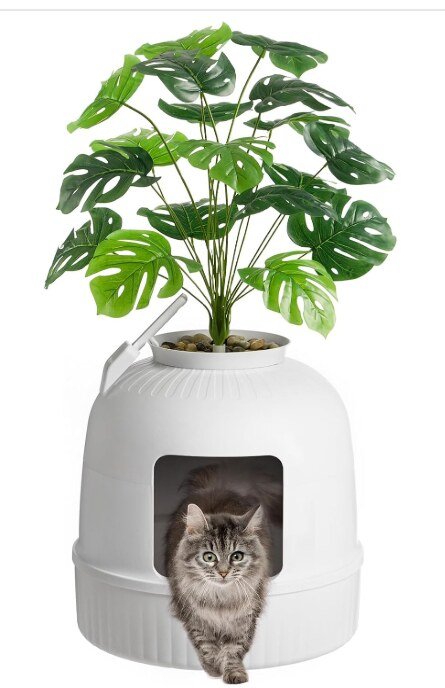
Lifewit Hidden Plant Cat Litter Box with Plastic Scoop. We own two of these and genuinely like them. They live outside as the litter boxes in our own catios, disguised as a planter with a faux plant on top, and they have held up well outdoors.
Frequently Asked Questions
Is a catio worth it for an indoor-only cat?
For most indoor cats, yes. Safe outdoor access is genuine enrichment: fresh air, sunlight, and sensory stimulation that is hard to replicate indoors.
Do I need a permit to build a catio?
It depends on the size and your local rules. A small window box rarely needs one; a larger permanent structure attached to your home might. Check with your local permitting office or HOA before building.
What is the cheapest way to give my cat outdoor access?
A simple window-mounted box, either bought as a kit or built from a basic wood frame and hardware cloth, is usually the lowest-cost option that still gives real outdoor access.
Can multiple cats share one catio?
Yes, if there is enough space and more than one resting spot. A cramped catio can create the same resource competition as an overcrowded litter box situation, so size it for your total number of cats, not just one.
Sources and references
- Add a wildlife conservation or humane society reference here (placeholder)
Contented Kitty may earn a commission from qualifying purchases at no additional cost to you. Contented Kitty provides general educational information only. It does not diagnose conditions and is not a substitute for care from a licensed veterinarian. Always speak to your own vet about your cat.